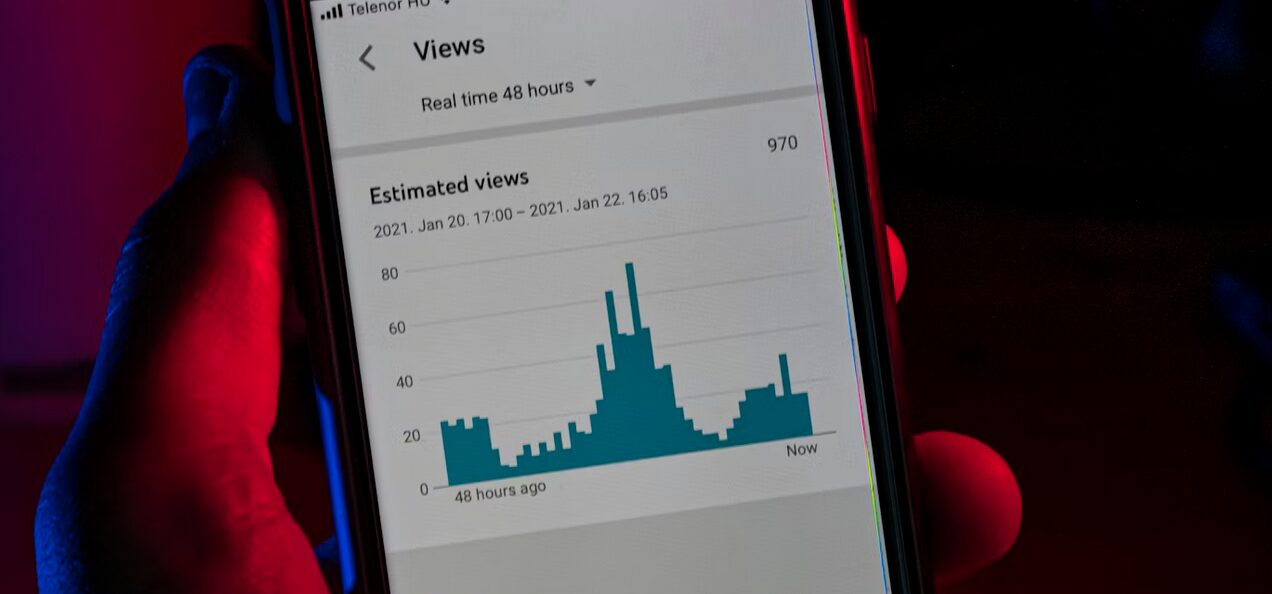
In the pursuit of expanding digital influence, many individuals and brands turn to purchasing social media views. While this tactic has gained popularity, it remains clouded by widespread misunderstandings. Critics often paint a skewed picture, suggesting that buying views is deceptive or ineffective. However, closer examination backed by user ratings and experiences on Buy Real Media tells a more nuanced story. In this article, we’ll separate fact from fiction by dismantling five common myths about purchasing social media views—and why believing them might be limiting your online growth potential.
Buying Views Equals Buying Fake Engagement
One of the most circulated assumptions is that purchasing views means you’re automatically dealing with bots or low-quality sources. This idea emerged when shady vendors saturated the market years ago. Today, however, many credible services offer real, human-generated views—no automation involved. While it’s true that some providers still cut corners, reputable platforms prioritize authentic exposure. It’s essential to scrutinize the provider’s delivery methods and customer feedback rather than generalize based on outdated notions.
Paid Views Violate Platform Policies
Another misconception is that purchasing views will immediately result in penalties from platforms like Instagram, YouTube, or TikTok. These platforms generally target manipulative practices that involve spam or violate terms of service through artificial traffic. However, buying views that come from real users—primarily through platforms that respect the algorithms—is rarely flagged as a violation. Users must distinguish between organic-looking promotional strategies and tactics that cross platform boundaries. In essence, discretion and provider transparency matter more than the act of purchasing itself.
Bought Views Don’t Lead to Real Growth
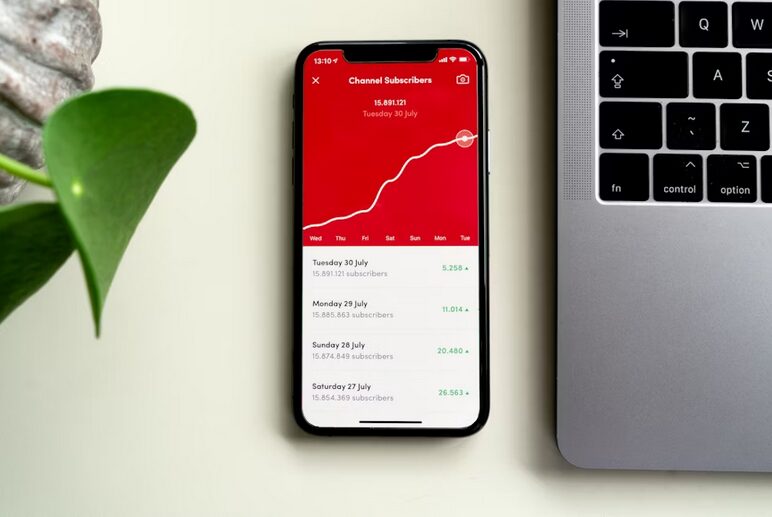
Skeptics argue that paid views are superficial and do little to impact long-term growth. This viewpoint ignores how perception plays a crucial role in digital engagement. Higher view counts can attract new users, build trust, and help content gain traction with algorithms that factor in popularity. Think of it as the online equivalent of a crowded restaurant—it draws more attention simply because people assume it’s worth their time. Purchased views can create that same social momentum, making content more discoverable and credible.
It’s a Waste of Money
The phrase “waste of money” is relative—especially when used without context. When individuals invest in views from poor-quality providers, returns are indeed limited. However, when views are purchased from well-reviewed services with a consistent delivery track record, the value becomes more evident. It’s less about spending blindly and more about making intentional choices to amplify reach. Strategic spending in digital promotion has been a cornerstone of marketing for decades—it’s no different with social media visibility.
Only Influencers and Brands Should Buy Views
Some people believe that buying views is exclusively for influencers, corporations, or public figures. This belief overlooks how versatile the tactic can be. Independent artists, educators, activists, small business owners, and even casual creators can benefit from an initial boost. The idea that social proof is reserved for elite accounts discourages experimentation. In reality, purchasing views can serve as a leveling tool—especially for those starting with limited visibility but with valuable content worth sharing.
Misinformation about purchasing social media views persists because many people rely on outdated experiences or generalized warnings. These misconceptions can hold creators and businesses back from trying methods that may support their growth. When done thoughtfully and through trusted platforms, buying views can be an effective part of a broader promotional plan. As with any investment, the outcome depends on research, discretion, and alignment with your content goals—not on rumors or assumptions.