
From smartphones to smart homes, today’s tech runs on complex systems of power and data. But behind the sleek screens and seamless interfaces lies a critical unsung hero: the humble wire connector. Over the years, these components have evolved far beyond their basic role of joining wires. They now serve as a vital layer of protection, making devices safer, more reliable, and easier to maintain. In the growing world of electronics, how we connect matters more than ever.
The Shift From Basic to Intelligent Design
Early wire connectors were simple—often no more than twisted wires capped with tape or plastic nuts. As tech devices became more advanced and widespread, so did the need for connectors that could handle greater demands without failure. Modern connectors are engineered with locking mechanisms, precise tolerances, and fail-safes that prevent accidental disconnects or shorts. This leap in design helps address one of the biggest challenges in electronics: ensuring consistent, secure electrical paths in compact, high-performance devices.
Safety at the Core of Connectivity
The evolution of connectors isn’t just about convenience—it’s also a major step forward in safety. Today’s designs are built to reduce the risks of overheating, electrical arcing, and miswiring. These aren’t just theoretical benefits either—real-world testing has shown how wire connectors improve safety in everything from household appliances to industrial machines. Features like built-in insulation, clear polarity markings, and heat-resistant materials are now standard, drastically lowering the risk of malfunctions or electrical fires.
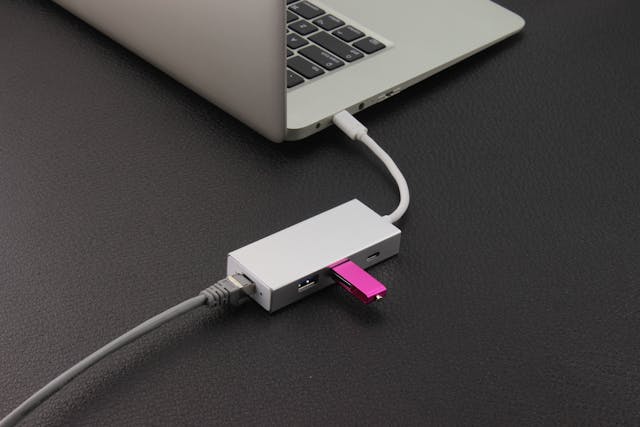
Connectors in Consumer Electronics
In personal gadgets like laptops, gaming consoles, and smartphones, space is limited and performance is critical. Advanced connectors must be tiny yet durable, capable of thousands of plug-unplug cycles without losing integrity. They also need to handle both power and high-speed data, all while keeping devices cool and efficient. Mistakes in this arena can be costly—just think of recalls over overheating batteries or charging issues. In these devices, the role of a high-quality connector is as much about safety as it is about user experience.
Smarter Homes Need Smarter Connections
Smart home systems are only as reliable as the connections behind the walls. With lights, thermostats, cameras, and locks all working together on a shared network, secure wiring becomes critical. Modern connectors allow for quick, error-proof installations and help avoid issues like signal interference or power loss. More importantly, they enable modularity, so devices can be swapped or upgraded without rewiring an entire system. This modular approach increases safety during installation and maintenance, giving DIYers and professionals alike more confidence in their work.
Automotive and Industrial Applications
In cars, airplanes, and factory machines, connectors face extreme conditions—heat, vibration, moisture, and dirt. Failure is not an option. That’s why the latest connectors in these environments are ruggedized with seals, locking tabs, and corrosion-resistant materials. These innovations help ensure not just performance, but also long-term safety. When sensors, controls, or power systems rely on those connections, lives can be at stake. Manufacturers now treat connector design as a safety-critical component rather than an afterthought.
A Future Built on Smarter, Safer Connections
 As we move toward more connected and autonomous systems, connectors will need to do even more. Think self-monitoring features that detect faults, alert users, or even shut down risky circuits automatically. Some advanced designs are already integrating chips and wireless communication to support predictive maintenance and safety diagnostics. Shortly, the smartest devices may also have the smartest wiring—creating systems that protect themselves and the people who use them. The humble wire connector may not get much attention, but its role in tech safety is anything but minor. As technology continues to grow more powerful and interconnected, connectors are evolving to meet higher standards of performance, durability, and most importantly—safety. Whether you’re plugging in a smart thermostat or designing the next big gadget, it’s clear that wired right means wired safe.